EDUCATION
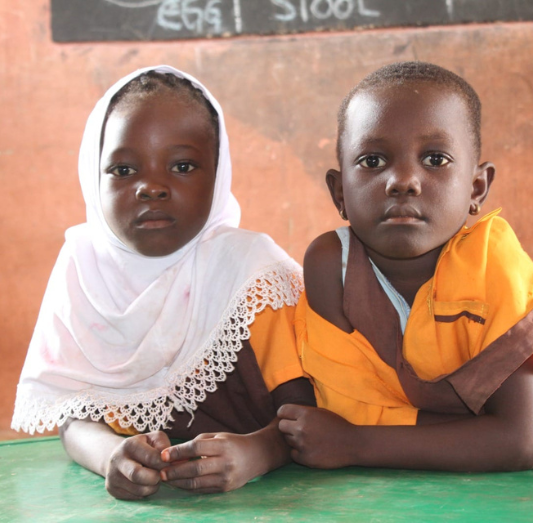
At CALID, education is recognized as a fundamental human right and a powerful tool for breaking the cycle of poverty, fostering equality, and promoting sustainable development. The organization believes every child deserves access to quality education that equips them with knowledge, skills, and values for a brighter future.
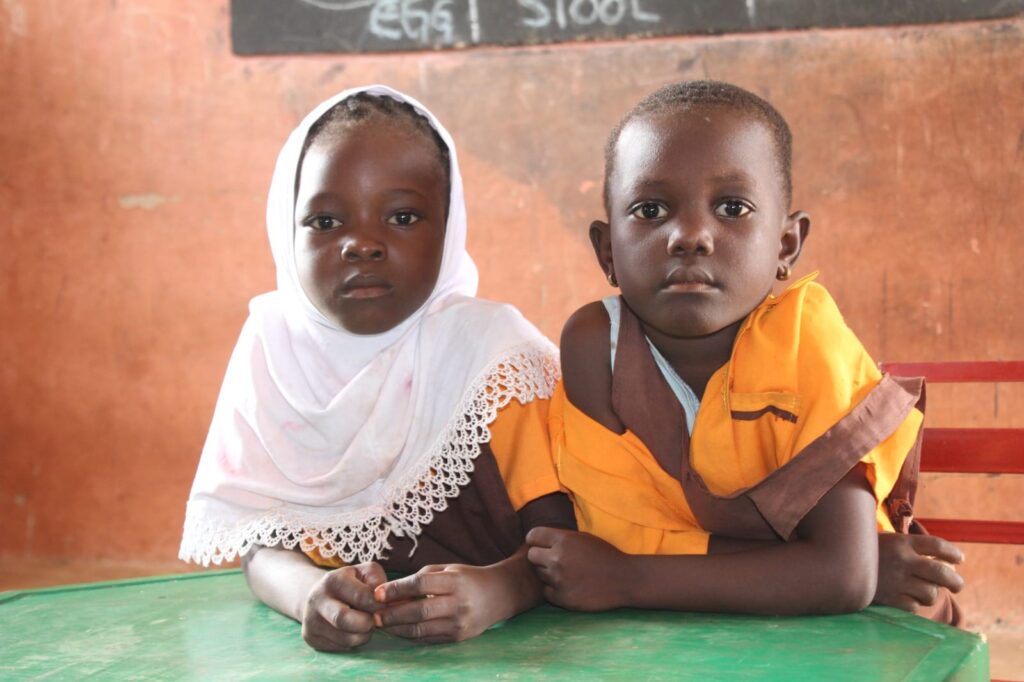
CALID works to address systemic barriers and promote inclusive, equitable, and high-quality learning opportunities for all children. The organization advocates for increased and equitable allocation of resources to schools to ensure that teaching and learning environments are adequately supported and conducive to effective learning.
A key priority is improving school enrollment, retention, and completion, especially for vulnerable groups, including girls, children with disabilities, and children from marginalized communities. CALID aims to close existing gaps and ensure that no child is left behind in accessing education.
The organization supports improved learning outcomes through teacher capacity development, provision of learning materials, and the promotion of child-friendly, participatory, and safe school environments. CALID also works with parents, caregivers, and community leaders to transform cultural and social attitudes, reinforce the value of education, and advocate for children’s rights, particularly the right to learn and to be protected from exploitation and neglect.
Through advocacy, community engagement, and partnerships with government, civil society, and development partners, CALID advances policies and practices that promote educational equity and justice. The organization views education as both an investment in individual children and a cornerstone of community resilience, national progress, and global development.
Other Thematic Areas

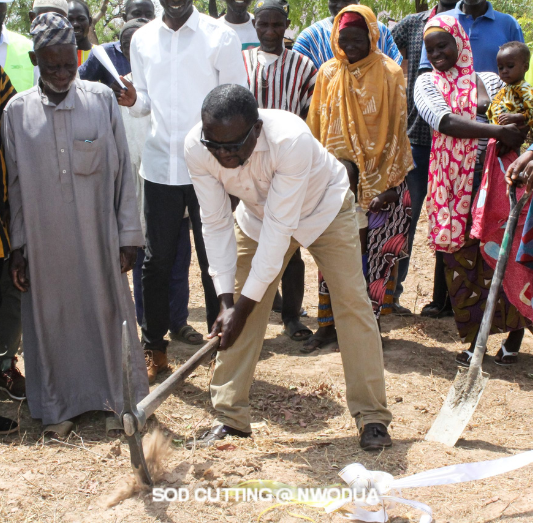
Governance
CALID strengthens accountable governance by empowering citizens, especially youth and marginalized groups, to participate in decision making and monitor public resources.
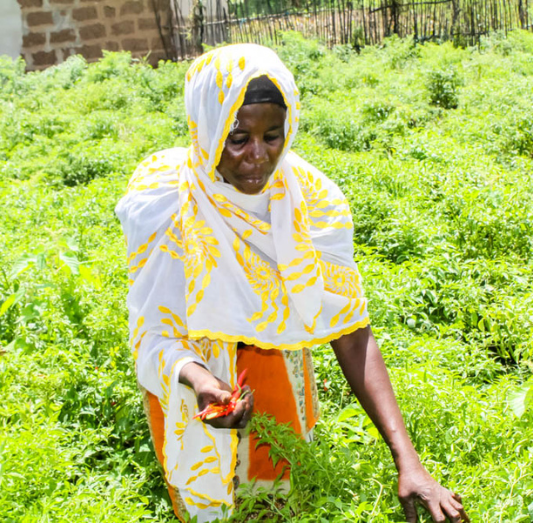
Livelihoods
CALID supports sustainable livelihoods through skills training, financial inclusion, entrepreneurship, and climate-smart agriculture to help communities become more resilient.
Health and Nutrition
CALID improves access to quality primary healthcare by supporting CHPS facilities, promoting inclusive services, and advancing maternal and child nutrition.